
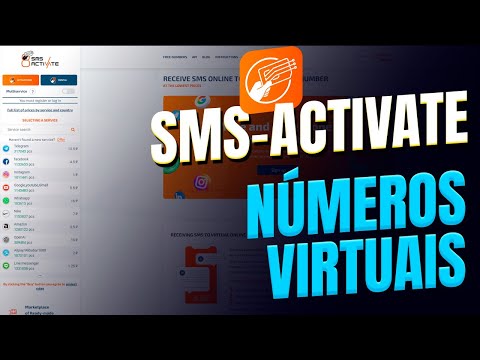
In the digital age, privacy and global access have become essential components of online life. Whether you are managing multiple social media accounts, testing applications across different regions, or simply protecting your personal phone number from spam, the need for temporary or virtual numbers has surged. Sms activate serves as a prominent platform in this niche, providing users with the ability to receive SMS codes for various online services. Understanding how these tools function and how they compare to the wider market is crucial for anyone looking to scale their digital operations efficiently.
Understanding Virtual Phone Numbers
A virtual phone number is a telephone number that is not directly tied to a physical telephone line or a specific SIM card. Instead, these numbers are managed through cloud-based platforms that allow users to receive incoming SMS messages over the internet. These services have become increasingly popular because they allow users to bypass geographical restrictions and maintain anonymity when signing up for websites, apps, or subscription services that require mobile verification. The technology behind this relies on complex gateways that connect international telecom providers with end-user interfaces.
For many businesses and individual users, the primary appeal of a virtual number is the convenience of instant activation. Traditional mobile carrier services often involve long-term contracts, physical hardware, and identity verification processes that may not align with the needs of a developer or a digital marketer who needs to perform bulk account registrations. By utilizing a virtual number service, users can obtain a phone number from an international region within seconds. This capability shifts the paradigm of communication from hardware-dependent setups to software-based solutions that are highly scalable and flexible.
How Sms activate Functions
Sms activate operates as an intermediary marketplace, connecting users with real SIM cards located in physical devices across the globe. When a user requests a number for a specific service, such as a social media platform or an email provider, the system leases a number from their inventory. The user then inputs this number into the registration form of the website they are trying to access. Once the SMS message is sent to that virtual number, the system captures the content of the message and displays it on the user dashboard. This process is designed to be seamless, with most transactions completing in under a minute.
The platform offers two primary types of access: temporary numbers and long-term rentals. Temporary numbers are intended for a single use, such as receiving a one-time verification code. Once the code is received, the number is often recycled or returned to the pool of available resources. Long-term rentals, on the other hand, provide a user with a dedicated number for an extended period, which is useful for scenarios where a user might need to receive multiple messages over weeks or months. This distinction is vital for planning your infrastructure, as the requirements for single-time verification differ significantly from continuous access needs.
Common Use Cases for SMS Verification
The applications for virtual number services are diverse and continue to grow as online platforms tighten their security measures. One of the most common use cases is the management of multiple accounts for social media marketing. Digital agencies and influencers often need to manage hundreds of profiles, and since many platforms restrict the number of accounts that can be tied to a single physical phone number, virtual activations provide a necessary workaround. This allows for the scaling of marketing efforts without the prohibitive costs of purchasing hundreds of physical SIM cards.
Another significant area of application involves software development and testing. Developers often need to verify that their applications behave correctly when accessed by users from different parts of the world. By utilizing a service like Sms activate, a developer in the United States can test an SMS gating feature for a user based in Brazil or Japan. Furthermore, early-stage testing often involves automating the authentication process, which is made much easier when the developer has access to an API-based system that can hook directly into their own automation software to pull verification codes programmatically.
Navigating the Market for sms activate alternatives
As the industry matures, users often look for variety to ensure they have the best tools for their specific workflow. When researching sms activate alternatives, potential users should consider the diversity of countries offered and the responsiveness of the API connections. Not every provider maintains the same level of inventory or network reliability across all global regions. Some services may excel in European markets, while others provide superior coverage for North American or Asian telecommunications networks. Understanding the geographic focus of a provider is an essential step in ensuring that your activation attempts do not fail due to a lack of available numbers.
Comparison is key when switching or expanding beyond a single platform. It is helpful to organize your needs based on specific feature requirements, such as voice support, long-term stability, and the ability to handle bulk request volumes. The following table highlights some of the general differences users should look for when evaluating alternatives to standard industry providers:
| Feature Category | Standard Requirements | Scalability Needs |
|---|---|---|
| API Reliability | Basic JSON integration | Multi-threaded async support |
| Geographic Reach | Primary Tier 1 countries | Global coverage with specific carriers |
| Account Management | Manual dashboard usage | Full automation via client SDKs |
| Support Channels | Standard email ticketing | Dedicated account management |
Key Factors When Choosing a Provider
Selecting the right service requires a balance between cost-effectiveness and technical reliability. Reliability should be your primary concern; a cheap service is not functional if the numbers frequently fail to receive SMS codes or if the support team is unresponsive when a batch of numbers stops working. Look for providers that offer transparent uptime statistics and clear error codes. If you are building an automated system, the documentation provided by the service is just as important as the service itself. Comprehensive API documentation allows your developers to integrate the service into your internal workflow without constant debugging.
Another crucial factor is the quality of the SIM cards being utilized. Some providers use virtualized numbers that are flagged by major platforms as suspicious, leading to account bans or blocks immediately upon registration. Premium providers typically use physical SIM cards sourced from real mobile operators, which have a higher success rate for bypassing anti-spam filters. While these providers may charge a premium for their numbers, the reduction in failed registrations often justifies the increased cost. Always try to test a small volume of numbers first before committing to a provider for large-scale operations.
- Define the specific geographic regions you require for your registrations.
- Check the provider’s documentation for API capabilities and limitations.
- Test a small volume of numbers to evaluate the success rate on your target platforms.
- Assess the quality of customer support through initial minor inquiries.
- Monitor the latency of SMS delivery to ensure it meets your operational timing requirements.
Security and Best Practices
Operating in the space of virtual numbers entails significant security responsibilities. Users should always prioritize protecting their own data when interacting with these platforms. Never provide your virtual number for sensitive secondary authentication, such as recovering a bank account or accessing private cloud storage. Treat all virtual numbers as disposable and assume that they could be accessed or reclaimed at any point by the provider. If a number is intended for a long-term professional account, ensure it is tied to an account you can monitor and that you utilize secure, unique passwords for the services you register.
Furthermore, ensure that your internal workflows are secure when using automation tools. If your software uses an API, store your API keys in secure, encrypted environment variables rather than hardcoding them into your scripts. Periodically audit your activity logs to detect any unauthorized use of your balance or unusual account activity. By maintaining a clean and secure operational environment, you ensure that your account with any service remains in good standing and that your private data is not exposed due to poor implementation of verification steps.
Pricing Models in SMS Services
Pricing for SMS activation services typically follows a pay-as-you-go model, which is highly advantageous for small-scale users and testers. You deposit funds into your account balance and are charged a small fee each time you successfully receive a code. The cost per activation can vary significantly based on the country of the number being used and the popularity of the service you are registering for. Exclusive, high-demand services often command a higher price per SMS because the available pool of clean, non-blocked numbers for those platforms is limited.
For high-volume users, many providers offer tiered pricing or subscription-based models for bulk usage. These plans may include dedicated API endpoints, higher priority queue access, and even custom infrastructure arrangements. When calculating the total cost of ownership, don’t forget to account for the percentage of failed activations. Even with the best providers, there will always be a small margin of error due to network instability or target platform updates. Building a budget that allows for a 5-10% failure rate will prevent your operations from stalling when those errors inevitably occur during the automated registration process.
The scalability of your chosen service should also align with your business goals. A platform that is perfect for a local project may struggle once you scale to thousands of daily registrations. Evaluate whether the service provider can handle peak demand without throttling your API requests. Reliable infrastructure, high-quality sourcing of SIM cards, and clear cost visibility form the foundation of a successful SMS strategy. By taking a structured approach to selection and planning, you can effectively leverage these tools to meet your project’s technical and commercial needs.
Beyond the simple act of receiving a code, consider the long-term maintenance of the accounts you have created. Once you have successfully generated a batch of accounts, the responsibility of maintaining them shifts to you. Many services offer options to purchase numbers for rental periods, allowing you to access the account again in the future if a platform requires a second verification or a password reset. Integrating this capability into your workflow can significantly enhance the lifespan of your digital assets and reduce the overall need to constantly generate new accounts from scratch.
The ecosystem surrounding platforms like Sms activate is dynamic. New providers appear frequently, while established ones refine their technologies to keep up with evolving security protocols on major websites. Stay informed by monitoring community forums, developer blogs, and product updates from your chosen service providers. Continuous learning and adaptation are part of the process when dealing with telephony-based verification. As the digital landscape continues to evolve, the tools we use will likely become more sophisticated, integrating advanced features like artificial intelligence to detect and solve CAPTCHAs or manage more complex verification flows alongside standard SMS delivery.
Finally, always maintain compliance with the terms of service of the websites you are accessing. While virtual numbers enable flexible access, they do not exempt users from the rules and policies of the platforms they interact with. Respecting these boundaries helps ensure that the ecosystem remains viable for everyone and that your activities do not trigger automated blocks that could affect other users as well. Use these tools to augment your legitimate business and development efforts, prioritizing long-term success and reliable system architecture above short-term workarounds.